Launched in 2023, Greater Philadelphia AFN is a regional chapter that collaborates with grantmakers committed to promoting equitable wealth building and economic mobility. The region engages with private, public, corporate, and community foundations, along with public-sector funders and financial institutions, dedicated to securing economic stability for the region and its surroundings. Through ongoing collaboration, the region will share insights on promising programs and effective strategies, improve grantmaking practices, and collectively increase asset-building investments. In addition, Greater Philadelphia AFN actively collaborates with the Greater New York, Connecticut and New Jersey chapters on shared interests in the Northeast.
If you are interested in becoming a member of the Greater Philadelphia AFN chapter, please contact Diana Lind.
Regional focus areas:
- Savings and Stability Programs, from CSAs to Guaranteed Income
- Heirs’ Property and Intergenerational Wealth Preservation
- Entrepreneurship and Workforce
Upcoming Events
Check back soon for information on upcoming events.
CLICK HERE for more information and resources from our past events.
Join our mailing list to stay informed of Greater Philadelphia AFN updates and events.
Upcoming Events
Steering Committee
Lincoln Financial Group
Vanguard
The Pew Charitable Trusts
WOMEN’S WAY
Women's Opportunities Resource Center (WORC)
The Merchants Fund
Philadelphia Foundation
Pennsylvania Assistive Technology Foundation
Vanguard
William Penn Foundation
Chapter Highlights
Unlocking Opportunity: How State Treasurers Can Drive Economic Mobility
From expanding access to college savings to baby bond programs to returning unclaimed property to its rightful owners, treasurers hold powerful but often overlooked tools for closing the racial and generational wealth gap.
Through a combination of keynote remarks, a moderated Q&A, and facilitated peer exchange, the Philadelphia AFN Chapter met on May 6, 2026, to learn how Pennsylvania and states across the country are deploying economic mobility strategies and what it will take to scale these approaches in communities that have historically been locked out of wealth-building opportunities. Thank you to our speakers, Iola Harper, Executive Director, Women’s Opportunities Resource Center (WORC) and Julie Peachey, Deputy State Treasurer for Consumer Programs, Pennsylvania Treasury Department.

Heirs’ Property: Investing to Preserve Wealth in Philadelphia
When someone dies without a will, their home doesn’t automatically pass cleanly to their children. Instead, it can become “heirs’ property” — and get stuck in legal limbo while a family’s most valuable asset quietly slips away. In Philadelphia, thousands of properties are compromised by “heirs’ property” or as we often call it here, “tangled titles.”
On February 25, 2026, Asset Funders Network met for a chapter event to discuss the newly released brief — Heirs’ Property: Investing to Preserve Wealth in Philadelphia — that puts a number on what’s at stake. Using a prospective Social Return on Investment framework, we estimate that every $1 invested in resolving tangled titles can generate between $3 and $63 in societal benefits, and up to $444,000 in financial benefit for individual families. Jose Diaz, Ph.D., The Constellation Fund and Karama Neal, Ph.D., Asset Funders Network presented the findings from the report. We also heard from an esteemed panel, which included Evan Cantiello, Vanguard; Amanda Colon-Smith, The Pew Charitable Trusts; Rida Haq, Philadelphia VIP; James P. Leonard, Esq., City of Philadelphia Department of Records; and Diana Lind, Asset Funders Network (Moderator).
Philadelphia has been a pioneer on this work nationally. This brief is a call to philanthropic investors, policymakers, and community partners to keep going — and go further.

The Rent is Too High! Rent Burden Competes with Other Necessities
On December 11, 2025, Asset Funders Network and Deutsche Bank hosted an AFN Cross-Regional Renter Wealth Building Meeting to learn about focused efforts to support renters. We discussed specific ways to support renters by focused efforts to provide emergency savings and expanding access and take-up of vital policies. The Panel was followed-by Q&A on rent burden and how network members are investing in understanding the problem and thinking about solutions. Learn more and watch the recording here.
Baby Bonds and Direct Cash Workshop
On October 23rd, 2025, Asset Funders Network hosted a half-day workshop at the Federal Reserve Bank of Philadelphia, bringing together funders, researchers, and practitioners to explore how guaranteed income and baby bonds can work together to address economic inequality.
The event featured opening remarks by Darrick Hamilton, Henry Cohen Professor of Economics and Urban Policy; Director, The New School’s Institute on Race, Power and Political Economy, on shifting from managing poverty to investing in people. Hamilton then joined Amy Castro, PhD- Founding Director; Associate Professor of Social Policy & Practice, Center for Guaranteed Income, University of Pennsylvania, and Alicia Atkinson, Research and Innovation Officer, The Wealth+ Work Futures Lab, to discuss the evidence base and potential of these programs.
A second panel discussion featured local implementers, including Yuan He, MD, MPH, FAAP, Medical Officer of Children’s Health at the Division of Reproductive, Adolescent, and Child Health at the Philadelphia Department of Public Health; Child Health Policy Advisor, Philly Joy Bank, and Amit Khanduri, Director of Programs, Baby Bonds GRO Fund. Joined by moderator David Radcliffe, Director of State and Local Policy, The New School’s Institute on Race, Power and Political Economy, and funder, Chinwe Onyekere, Senior Program Officer, Vanguard, the panel stressed the importance of community-centered design, human connection in program delivery, strategic philanthropy across different program phases, and the benefits of pairing direct cash and baby bonds programs.


Economic Stability & Mobility Study Findings
Greater Philadelphia funders and community leaders gathered for a morning networking reception and discussion about economic mobility in the region. Ashley Putnam, Director, Economic Growth & Mobility Project, Federal Reserve Bank of Philadelphia and Bryan Stuart, Economic Advisor and Economist, Federal Reserve Bank of Philadelphia presented their findings from a recent report, “Understanding Economic Stability and Economic Mobility in Philadelphia.” The report captures the lived experiences of residents navigating income, work, caregiving, health, and housing. The report’s findings include:
- Widespread income instability—even among those working multiple jobs
- Persistent structural barriers to employment
- Residents’ strong desire for stability as a foundation for upward mobility
- A call for better jobs and holistic supports for health and well-being
In addition, Catie Wolfgang, Officer, Philadelphia Research and Policy Initiative, The Pew Charitable Trusts, shared a new roadmap for economic mobility for the Philadelphia region produced in collaboration with the Brookings Institution. This multi-year effort to design and operationalize a regional growth strategy is intended to strengthen pathways to quality jobs for Philadelphians.
Following the presentations, funders and community partners in attendance participated in a facilitated discussion about this new data and how it affects their funding and program strategies. Additionally, the group voiced a need for more support for small business entrepreneurs, ways to address employment barriers linked to criminal records and age, the need for trauma-informed employment practices, and the challenge of encouraging education as a pathway to better jobs among people experiencing economic instability.


Innovations in Baby Bonds
Nearly 300 Funders, Scholars and Practitioners Gather for Baby Bond Discussion
On January 16, 2025, the Asset Funders Network (AFN) and The New School Institute on Race Policy and Political Economy hosted Innovations in Baby Bonds at the New York Federal Reserve Bank, featuring new research from Stanford University on how Baby Bonds and direct cash assistance, when paired together, amplify impact.

Innovations in Baby Bonds
Racial homeownership gap persists in Philly metro, analysis finds
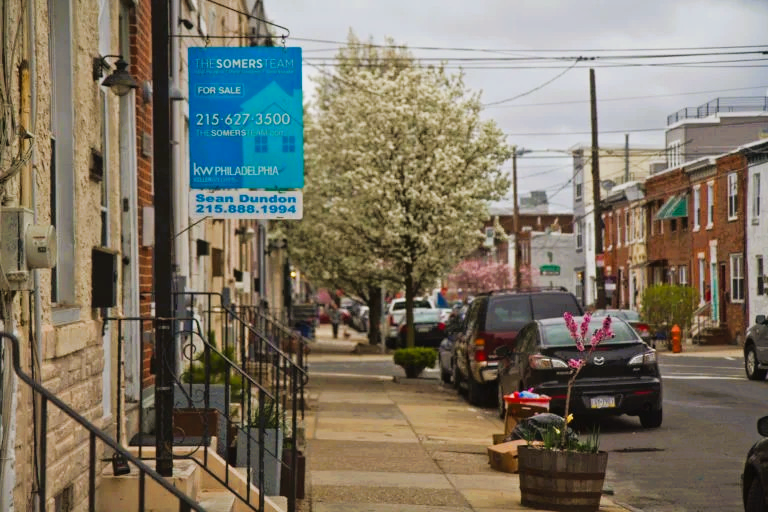
The homeownership gap between Black and white Philadelphians persists despite an uptick in the number of Black renters who are able to afford a mortgage, according to real estate giant Zillow.
The finding suggests the metro’s homeownership gap is the result of systemic roadblocks that go beyond income, according to a report released last week. For example, lenders tend to deny more Black applicants seeking mortgage loans, often due to factors related to credit and debt. Black renters also tend to have less access to generational wealth, in part because of the racial homeownership gap. Continue reading…
How We Work
-
Inform: Highlight promising practices, key issues, and innovations in the field through funder-only dialogues as well as other convenings. Members provide an insightful regional voice to inform national conversations.
-
Connect: Members learn from each other and from other organizations as they seek solutions to local challenges related to asset-building.
- Influence: Engage key stakeholders to grow their knowledge and support. This includes efforts to raise the visibility of asset-building within the broader community of foundations, public-sector funders, and financial institutions.
-
Build: We seek to build the number of grantmakers and resources focused on strategies and investments for low and moderate income people to build and protect assets increasing economic opportunities and prosperity. AFN staff spend time one-on-one with local grantmakers to learn, share, encourage participation, align strategies, and increase ROI.
Thank you to Wells Fargo, the initial sponsor for this region.

Read a recent brief applying the national heirs’ property SROI framework to Philadelphia, using city-level and Pennsylvania statewide housing and legal cost assumptions to estimate the prospective value of resolving residential heirs’ property (often called tangled title) cases. The analysis indicates consistently positive returns across outcome categories, with the largest value generated through avoided foreclosure and lost revenues from prevented sale of the asset.